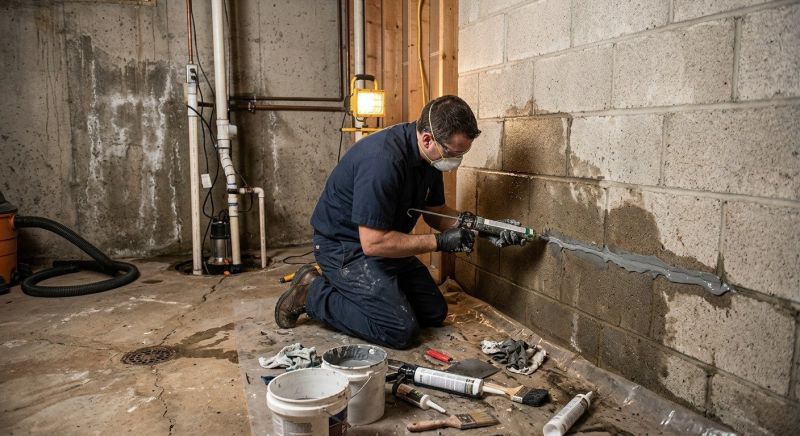
Basement Concrete Sealing in Sarasota, FL
Basement concrete sealing is a process designed to protect basement floors and walls from moisture intrusion, staining, and deterioration. This service is commonly requested for existing basements that experience dampness or water seepage, as well as for new construction projects where a durable, sealed surface is desired. Sealing helps to create a barrier against water vapor and spills, making basement spaces more resistant to mold, mildew, and surface damage. Property owners often want to understand the types of sealants used, the longevity of the treatment, and whether the process is suitable for the specific conditions of their basement.
Before requesting basement concrete sealing, homeowners should consider the current condition of their basement, including any existing moisture issues or cracks in the concrete. It’s important to identify if additional repairs are needed prior to sealing to ensure the best results. Property owners typically inquire about the maintenance requirements after sealing and the potential impact on basement use, such as flooring installation or ongoing moisture control. Proper preparation and understanding of the sealing process can help ensure a long-lasting, effective barrier for basement spaces.
Many property owners in Sarasota, FL look into Basement Concrete Sealing for repairs, replacements, upgrades, and appearance-related improvements.
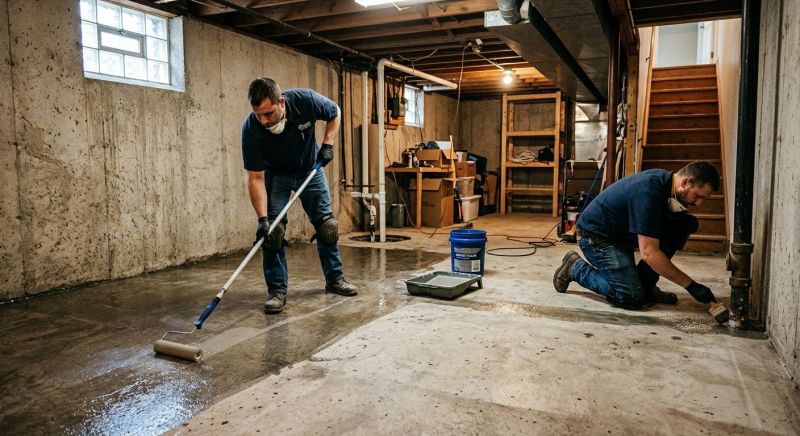
Basement Waterproofing
Sealing concrete helps prevent water intrusion and protects your basement structure.
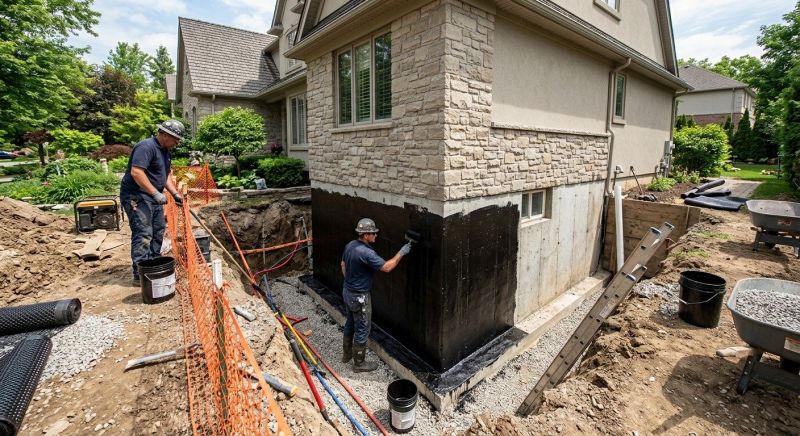
Moisture Control
Proper sealing reduces humidity and mold growth in sarasota homes and commercial spaces.
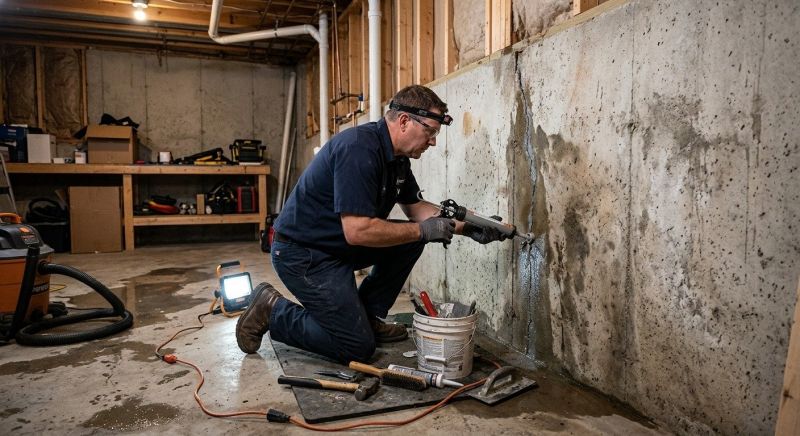
Durability Enhancement
Applying a sealant extends the lifespan of basement concrete against cracks and wear.
Basement Concrete Sealing in Sarasota, FL
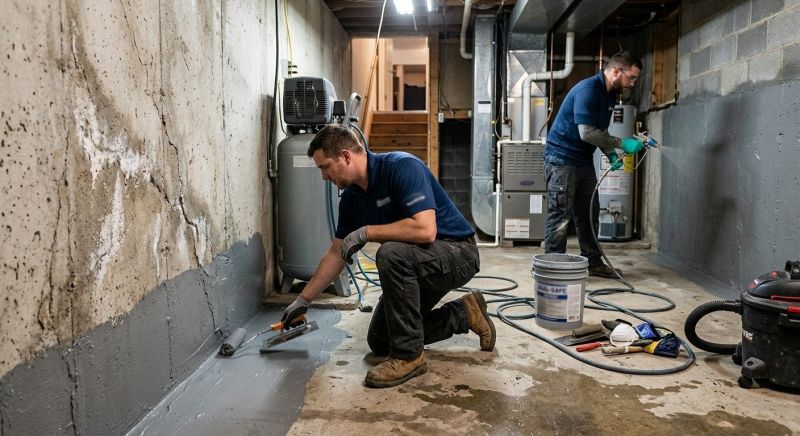
Basement concrete sealing is a process designed to protect basement floors and walls from moisture intrusion, staining, and deterioration. This service is commonly requested for existing basements that experience dampness or water seepage, as well as for new construction projects where a durable, sealed surface is desired. Sealing helps to create a barrier against water vapor and spills, making basement spaces more resistant to mold, mildew, and surface damage. Property owners often want to understand the types of sealants used, the longevity of the treatment, and whether the process is suitable for the specific conditions of their basement.
Before requesting basement concrete sealing, homeowners should consider the current condition of their basement, including any existing moisture issues or cracks in the concrete. It’s important to identify if additional repairs are needed prior to sealing to ensure the best results. Property owners typically inquire about the maintenance requirements after sealing and the potential impact on basement use, such as flooring installation or ongoing moisture control. Proper preparation and understanding of the sealing process can help ensure a long-lasting, effective barrier for basement spaces.
Many property owners in Sarasota, FL look into Basement Concrete Sealing for repairs, replacements, upgrades, and appearance-related improvements.
Common Basement Concrete Sealing Jobs
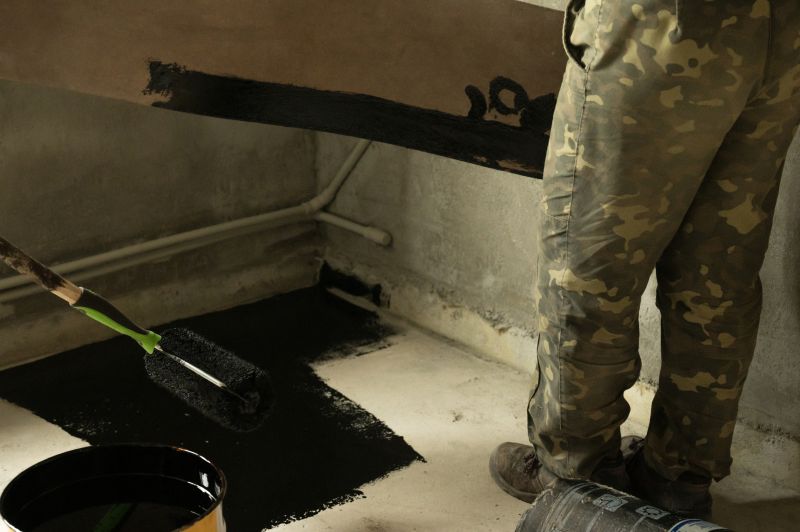
Basement floors - sealing helps prevent moisture intrusion and reduces the risk of mold growth.
Crawl spaces - sealing provides a moisture barrier that protects structural components.
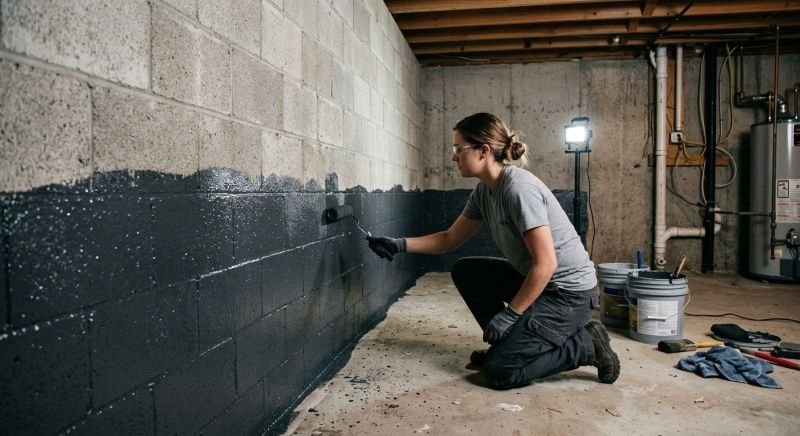
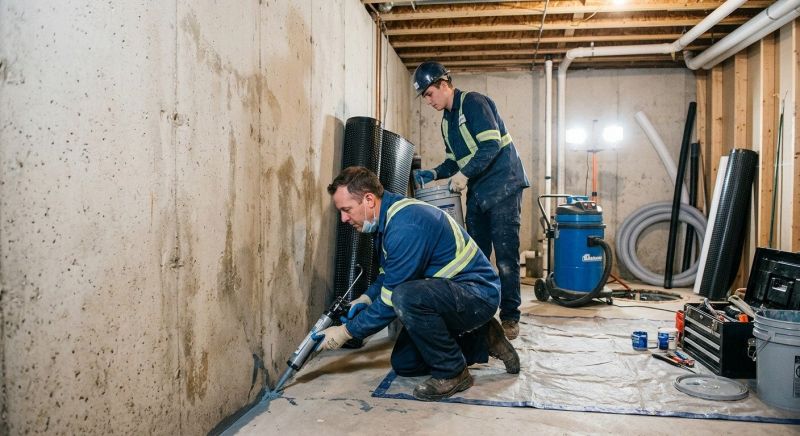
Concrete walls - sealing minimizes water seepage and enhances durability.
Basement foundations - sealing safeguards against water damage and long-term deterioration.
Garage floors - sealing resists stains and makes cleaning easier.
Cellar areas - sealing maintains a dry environment for stored items and equipment.
Basement Concrete Sealing Questions
What is basement concrete sealing? It involves applying a protective coating to basement floors and walls to prevent moisture penetration and reduce damage from water exposure.
Why should homeowners consider sealing their basement concrete? Sealing helps control humidity, prevents mold growth, and extends the lifespan of basement surfaces.
What types of basement projects benefit from concrete sealing? Areas prone to dampness, water intrusion, or high humidity, such as crawl spaces and finished basements, often see improved durability with sealing.
How often should basement concrete be resealed? Typically, resealing is recommended every few years to maintain protection and performance of the surface.
Request Basement Concrete Sealing in Sarasota, FL
Use the quote form on this page to share the basics of your project and request more information for the type of work you need.