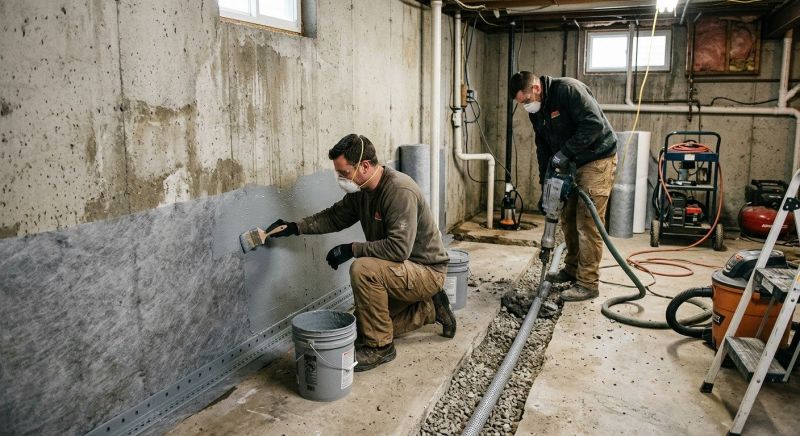
Basement Concrete Sealing in Tampa, FL
Basement concrete sealing involves applying a protective coating to the interior surfaces of a basement to prevent moisture infiltration, reduce the risk of mold growth, and improve the longevity of the concrete. This service is commonly requested for projects such as waterproofing basement floors and walls, addressing water seepage issues, or preparing a space for finishing or remodeling. Property owners typically want to understand how sealing can help safeguard their homes against dampness and structural damage, as well as the types of sealants used and the maintenance required to keep the surfaces in good condition.
Before requesting basement concrete sealing, homeowners often inquire about the condition of their existing concrete, including cracks or previous water issues, to determine the best sealing approach. It’s important to consider the level of moisture exposure, the type of sealant recommended for specific basement environments, and any necessary surface preparation steps. Clear understanding of these factors helps ensure the sealing process effectively protects the space and extends the lifespan of the concrete surfaces.
Many property owners in Tampa, FL look into Basement Concrete Sealing for repairs, replacements, upgrades, and appearance-related improvements.
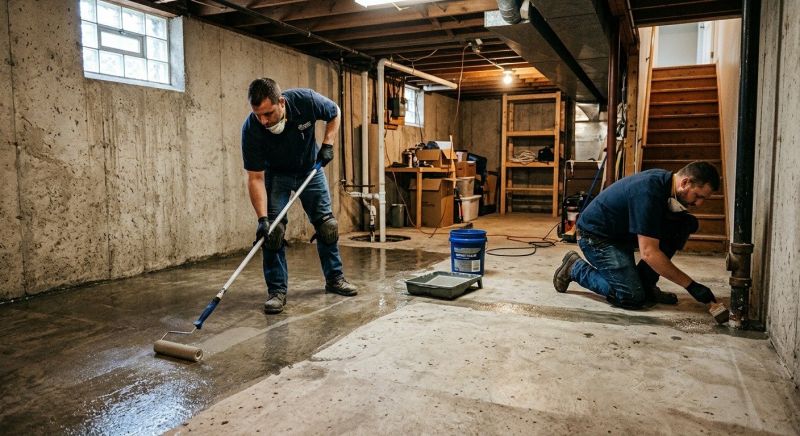
Protecting Basements From Moisture
Sealing concrete helps prevent water seepage and reduces the risk of mold growth in tampa homes.
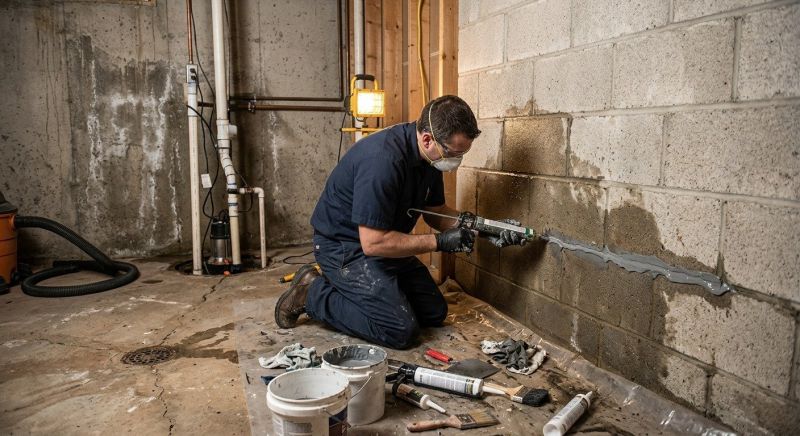
Enhancing Basement Durability
Proper sealing extends the lifespan of basement concrete by preventing cracks and surface deterioration.
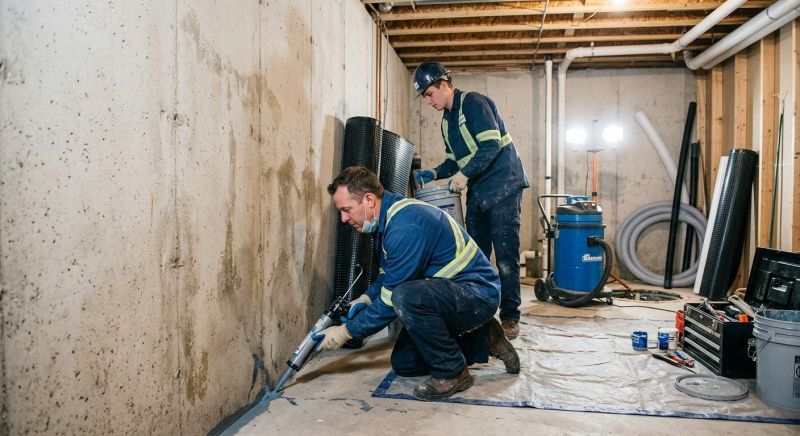
Maintaining Structural Integrity
Concrete sealing provides a barrier against moisture and environmental damage, preserving the stability of basement foundations in tampa area properties.
Basement Concrete Sealing in Tampa, FL
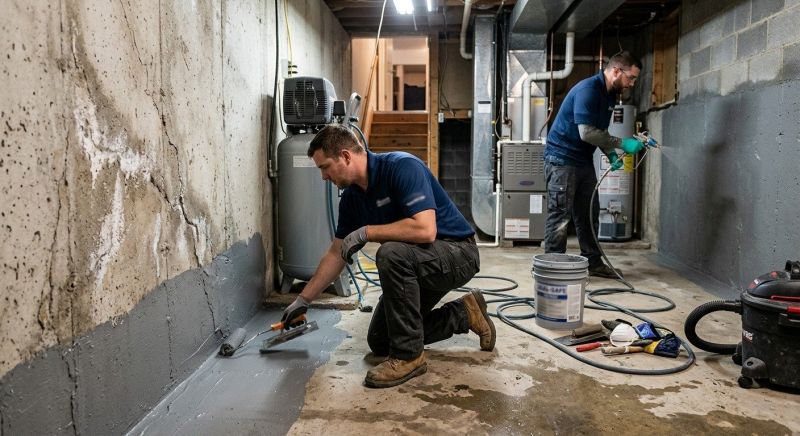
Basement concrete sealing involves applying a protective coating to the interior surfaces of a basement to prevent moisture infiltration, reduce the risk of mold growth, and improve the longevity of the concrete. This service is commonly requested for projects such as waterproofing basement floors and walls, addressing water seepage issues, or preparing a space for finishing or remodeling. Property owners typically want to understand how sealing can help safeguard their homes against dampness and structural damage, as well as the types of sealants used and the maintenance required to keep the surfaces in good condition.
Before requesting basement concrete sealing, homeowners often inquire about the condition of their existing concrete, including cracks or previous water issues, to determine the best sealing approach. It’s important to consider the level of moisture exposure, the type of sealant recommended for specific basement environments, and any necessary surface preparation steps. Clear understanding of these factors helps ensure the sealing process effectively protects the space and extends the lifespan of the concrete surfaces.
Many property owners in Tampa, FL look into Basement Concrete Sealing for repairs, replacements, upgrades, and appearance-related improvements.
Common Basement Concrete Sealing Jobs
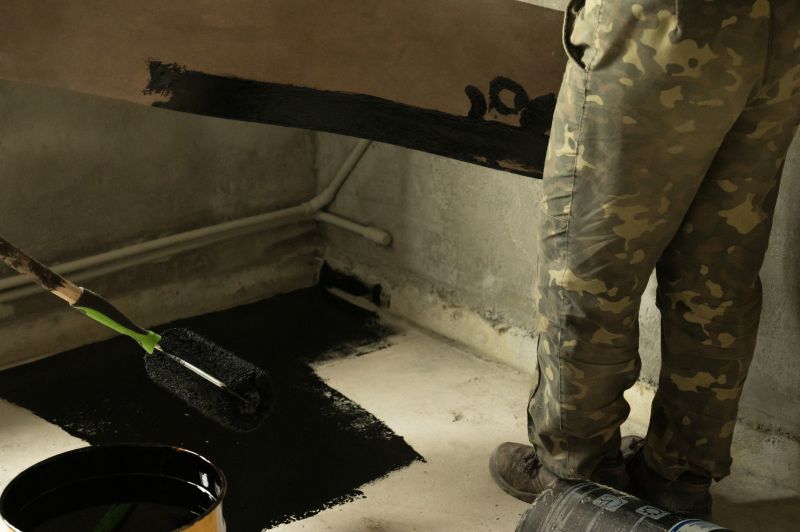
Basement floors - sealing helps prevent moisture infiltration and reduces mold growth.
Crawl spaces - sealing protects against groundwater seepage and improves indoor air quality.
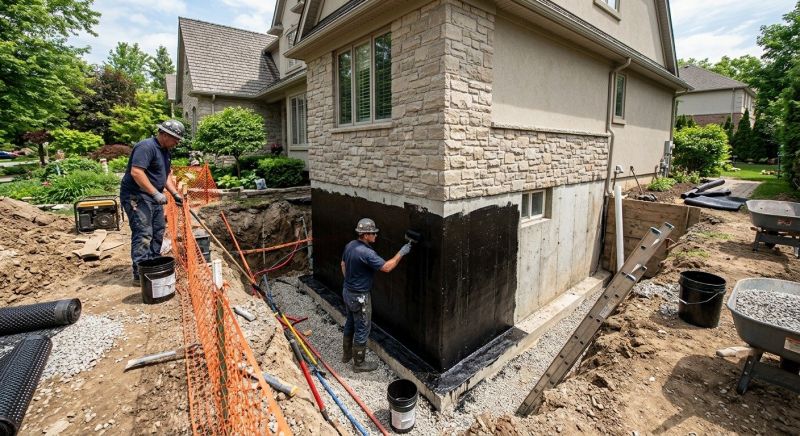
Foundation walls - sealing minimizes water leaks and structural damage over time.
Garage floors - sealing provides a durable barrier against stains and wear.
Walkout basements - sealing helps maintain dryness and prevents water pooling.
Concrete patios - sealing enhances stain resistance and extends lifespan.
Basement Concrete Sealing Questions
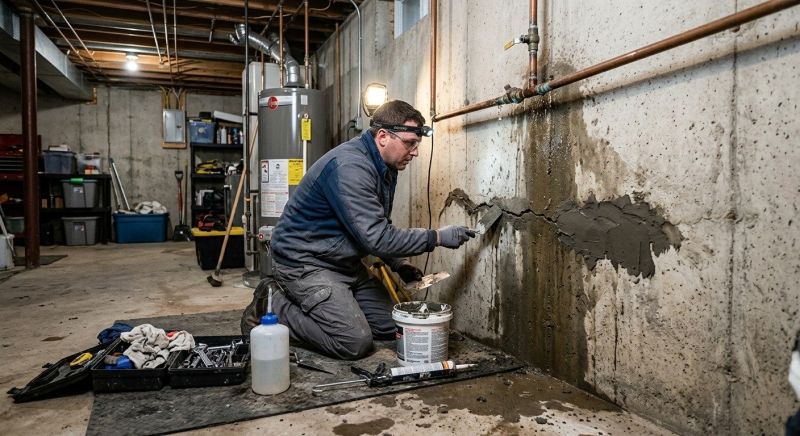
What is basement concrete sealing? Basement concrete sealing involves applying a protective coating to prevent moisture, water infiltration, and damage to the concrete surfaces.
Why should property owners consider sealing basement concrete? Sealing helps protect against water leaks, reduces cracking, and extends the lifespan of basement floors and walls.
What types of basement projects benefit from concrete sealing? Common projects include basements used for storage, living spaces, or areas prone to moisture exposure.
How often should basement concrete be resealed? Resealing is typically recommended every few years to maintain optimal protection and appearance.
Request Basement Concrete Sealing in Tampa, FL
Use the quote form on this page to share the basics of your project and request more information for the type of work you need.